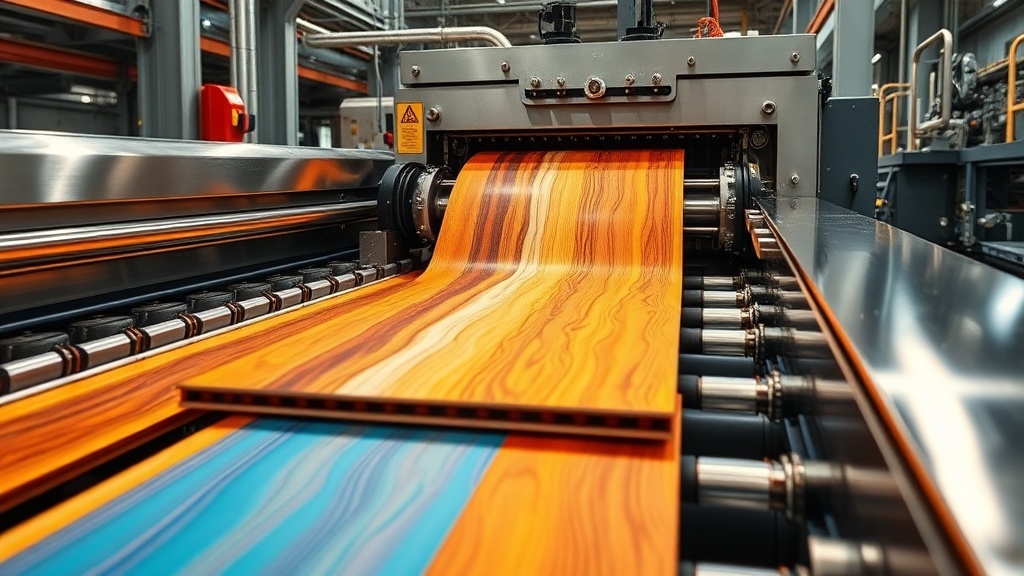
Plants often study common wpc production line problems and how to prevent them when they need a more stable process. The goal is not only to move more material. The line must also protect quality, safety, and useful yield. That balance starts with good feed data and clear production goals.
The equipment has one clear purpose: it is a linked system that blends wood fiber with plastic and forms finished composite profiles. Yet real plant work adds dirt, moisture, size changes, and short stops. These shifts can change load and quality within minutes. Good routines keep the process inside a useful range.
Before selecting a WPC production line, the plant should map feed, flow, utilities, and final use. This makes fault prevention and fast correction easier to discuss with staff and suppliers. It also gives the team a sound base for tests and daily records. The following points show how to turn that review into useful action.
Brief Overview
- Use routine care such as cleaning feeders, checking heaters, watching gearbox oil, and keeping cooling paths clear. Balance every stage so one machine does not hold back the line. Set clear limits for stable moisture, an even blend, steady melt flow, correct cooling, and clean cuts. Base the plan on dry wood fiber, PE or PP resin, additives, and color masterbatch, not an ideal sample. Keep fault prevention and fast correction simple enough for every shift to follow.
Set Clear Goals for the Finished Material
Good planning links the feed, the process, and the next use. For this topic, the main aim is fault PET flakes washing line prevention and fast correction. Operators should record how the feed changes across each shift. These materials do not behave the same in every plant.
The desired output is decking, wall panels, frames, and other composite profiles. The best design starts with a clear view of dry wood fiber, PE or PP resin, additives, and color masterbatch. Extra features have little value when the basic material is not controlled. The team should agree on quality limits before daily production begins. A sample run can reveal issues that a data sheet may miss.
Keep Simple Checks for Common Line Faults
Start with the last known point where the material was still correct. Good results depend on how well the team manages fault prevention and fast correction. A fault after maintenance may point to fit, direction, or alignment. Common faults often begin with wet fiber, poor dosing, worn screws, blocked cooling lines, and rushed start-ups. A clean screen or sharp blade may solve more than a control change.
Repeat faults need a root cause review, not another quick reset. Do not raise speed until the cause of poor output is clear. End each repair with a safe test and a clear handover. Keep photos and short notes for faults that are hard to repeat. Compare the bad run with a stable run using the same measures.
Create a Clear Preventive Care Routine
Record wear, heat, sound, leaks, and motor load in plain terms. For this topic, the main aim is fault prevention and fast correction. Cleaning is also a chance to inspect hidden surfaces. Use a simple list for each shift, week, and planned shutdown. Oil and grease should match the maker's stated grade.
A good handover notes open faults and parts that are due soon. After service, run the machine slowly and check alignment. The wider line may also include a WPC board making machine to support the next material step. Maintenance works best when operators report small changes early. Lockout steps must come before hands enter any guarded area. Replace worn parts before they damage a shaft or housing.
Train the Team for Safe Start and Stop
Start-up signals protect staff who work along a long line. The plant should treat fault prevention and fast correction as a daily process goal. Guards should stay in place during normal production. Safe access should be planned before the machine arrives. Hot surfaces, blades, and stored pressure need clear signs.
Loose clothes and tools must stay away from moving parts. Floors should stay dry and free from film, pellets, or sharp scrap. Production goals should never cancel a lockout or cleaning rule. Emergency stops must be clear, tested, and easy to reach.
Protect Quality at Every Transfer Point
Keep sample tools clean and use the same method each time. Good results depend on how well the team manages fault prevention and fast correction. A trend can show wear or drift before output fails. A clean work area also lowers the chance of new dirt entering the product. Stable quality makes storage and later processing much easier.
Operators need clear action when a result moves out of range. Frequent small checks are often better than one late test. Trace poor output back through the line in reverse order. Do not hide mixed material by changing several settings at once. Set a simple limit for each check and record the result.
Frequently Asked Questions
What is the main job of a WPC production line?
Its main job is to provide a controlled route from dry wood fiber, PE or PP resin, additives, and color masterbatch to decking, wall panels, frames, and other composite profiles. The exact layout can change by plant. The core aim stays the same. Feed should move safely while quality remains easy to check.
Which feed details should be checked first?
Check material type, size, moisture, dirt, bulk density, and any unwanted items. These facts affect load and wear. They also change the needed wash, heat, cut, or dry step. A mixed sample is often more useful than the cleanest sample.
How can a plant keep output more stable?
Use steady feeding, clear setting ranges, and short quality checks. Record load, flow, stops, and visible changes. Correct the first cause rather than raising speed at once. Stable work usually gives more good material over a full shift.
What should routine maintenance include?
Routine work should cover cleaning feeders, checking heaters, watching gearbox oil, and keeping cooling paths clear. Staff should also report new heat, noise, leaks, or vibration. Planned care is safer than a rushed repair. A simple log helps the next shift see what changed.
How should buyers compare different options?
Use the same feed, output goal, and quality limits for each quote. Compare safety, cleaning time, wear parts, utility use, and service access. Ask what assumptions support the stated rate. The best option is the one that fits the full plant duty.
Summarizing
A sound approach to fault prevention and fast correction starts with real feed data and a clear output goal. The plant should then balance flow, quality checks, care, and safe access. Small daily controls often matter more than one high setting. Good records help the team keep those controls steady.
Before a final choice, confirm product size, resin type, hourly output, power supply, floor space, and service access. Make sure service tasks can be done without unsafe shortcuts. Use the first production runs to refine settings and check lists. That work creates a stronger base for long-term operation. Plan each step. Keep each check clear.
Zhangjiagang MG Machinery Co., Ltd is a modern enterprise specializing in waste plastic recycling and extrusion equipment. Our company is located in Zhangjiagang City, Jiangsu Province, China, 2 hours from Shanghai International Airport by car, near the Shanghai deepwater port and Yangtze River Port, and with the developed highway traffic, It’s very convenient for your visiting and equipment transportation.